...I love diagrams that explain the meaning of terms. I recently came across one: six church domes are shown, with an explanation that a gold dome represents eternity and heavenly glory; blue with stars is most often dedicated to the Mother of God; green is a sign of the Holy Spirit, which is why it adorns churches dedicated to the Trinity; silver means purity and holiness, and so temples dedicated to saints are crowned with it; black ones are rare and appear on monastic churches; and colored ones are meant to recall the beauty of the Heavenly Jerusalem.
And everything is immediately clear. Well, maybe not everything — but clearer than it was before.
Experts will of course know the exceptions, but for a general understanding it's more than enough. I want to remember this!
And of course I would love to make such a diagram for nalichniki — here's the apron, here's the ochelia, here are the side wings, here are the ears, and here's the crown. Clear, for beginners just diving into the subject.
All good, but there's one catch.
Church construction was regulated from the center — everyone built nalichniki according to their own understanding. So there were no universal rules, and there couldn't have been. Which means any explanation — even the naming of parts — runs straight into the need for dozens of qualifications: 19th century or 20th? Peasant usage, or the professional architectural terminology used by scholars? The Tver province, Yaroslavl, Olonetsk, or Tobolsk?
These seem like idle questions. They're not.
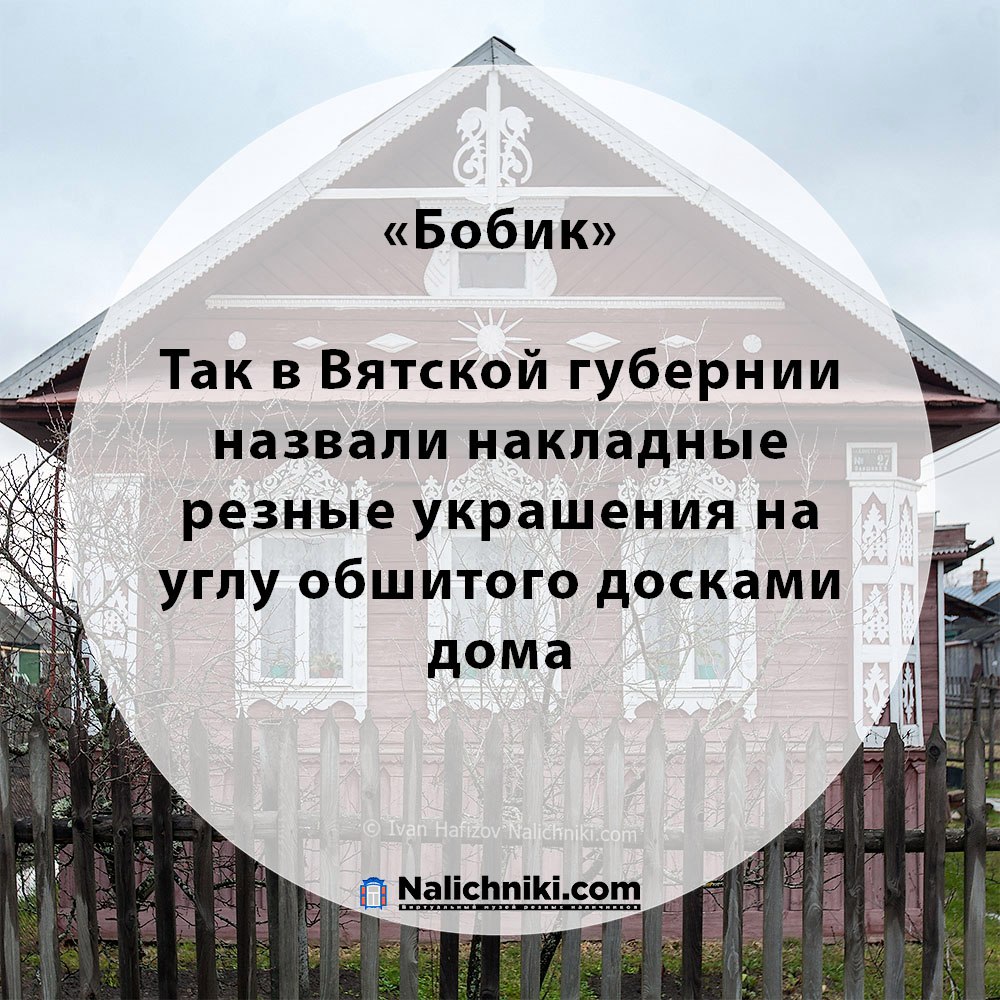
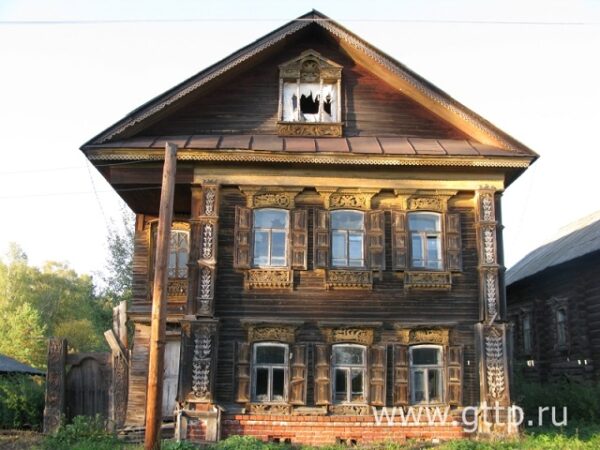
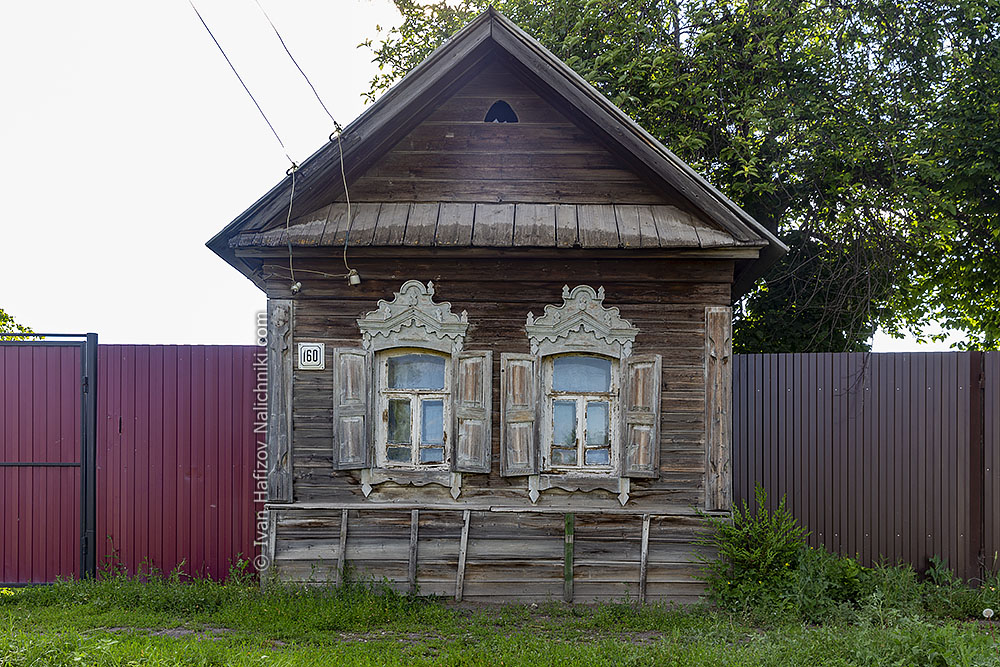
Here are five images that won't make things any clearer — but which, oddly enough, do illuminate something: the same element was called different things in different places. Sometimes it had two different names in the same village. And elsewhere it wasn't singled out as a separate feature at all — it simply wasn't given a name.
So the next time you see a diagram with "here's a pediment, and here's the gable with the entablature," you'll know that this is just one of dozens of ways to name all these elements.
PS Indirectly, all these different names seem to hint that there is no — and could not have been any — single "deciphering" of the symbols of the nalichnik. The craftsmen of even neighboring provinces never agreed on this with each other, let alone Karelia and Siberia, Tatars and Jews, Old Believers, blacksmiths, merchants, and industrialists — each had their own social circle and their own idea of how to decorate a window.