
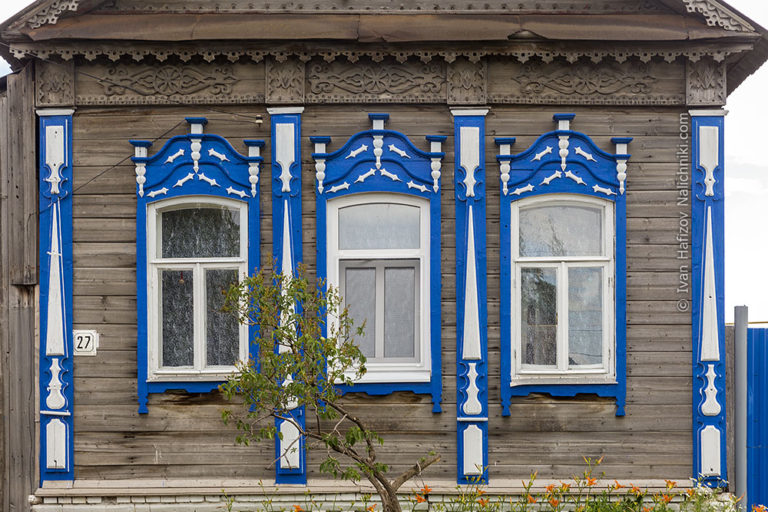
 For many years I've been struck by how little we all know about vernacular (as opposed to ecclesiastical) wooden architecture. Some people are convinced that a proper wooden house always has exactly three windows on the facade. Some think shutters exist to keep out thieves. Others believe that shuttered houses have long since vanished. Some are sure that windows always faced directly onto the street, with houses set flush to the fence along the road; others consider high fences an exclusively modern affliction.
I was talking with an architect recently, and he clarified things for me: "Vernacular wooden architecture is practically not taught at architecture schools. Just as a hundred years ago, everything is built around European stone architecture."
So what exactly do we want from non-architects?
PS:
Wooden houses can have any number of windows on the facade, from one to thirty (though two to seven is most common). Shutters are primarily a response to the climate, and while shuttered houses are rare in the central region, you'll find them in abundance in Siberia, Karelia, or — as in the photo — in Balashov, Saratov Oblast. Which direction the windows face depends entirely on the type of settlement: sometimes houses face a lake. And high fences in the Moscow region are an old complaint: people were already grumbling about them in the 19th century.
#Balashov #nalichniki #wooden_architecture #Russia



7 comments