



“…Have you been there? I don’t know if you have. There’s a little park, a square, right across from Victory Street. There used to be a church there. The most beautiful one. A merchant built it—I think his name was Nikitin, if I remember right. And when the revolution happened, my grandmother told me, people ran to that church with ladders.
I said, ‘Ladders? What for?’ I was ten, maybe twelve when she told me this.
She said, ‘They tied them together, leaned them against the church, climbed up to the dome, and scraped off the gold.’
I said, ‘And they really did that?’
She said, ‘Anya, they did.’
And now it’s gone. Razed to the ground. I don’t know when exactly. But for a long time—until, oh, maybe ’88—a slab was still there. I guess it used to be the front step. Huge granite one, about four feet wide, maybe more. Three feet, four feet wide, at least eight long. You could see how worn it was. It had been walked over for years, you could tell… It was right there, on the surface of the ground. Once, I asked what it was, and they told me that’s where the church had been. Then, after Chernobyl, when they covered everything with fresh soil, it disappeared. Maybe they hauled it away…”
She suddenly smirks. “Not too comfortable down there, is it?”
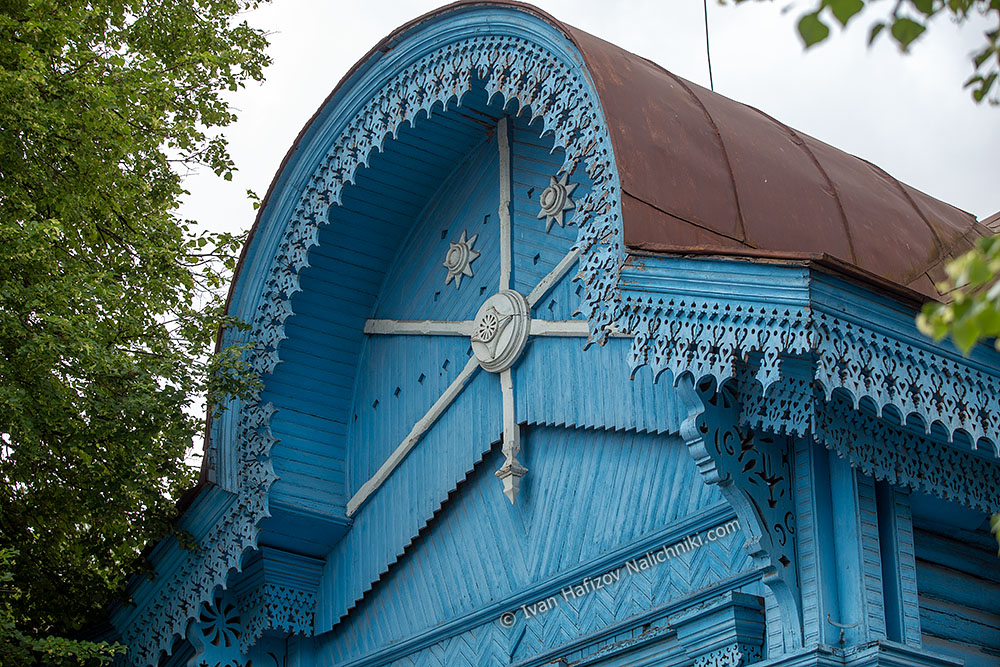
I’m standing below her window, the one with those triple-folding shutters I’ve never seen anywhere else but here, in this part of Bryansk Oblast. She’s leaning out over the sill, looking down at me, clearly amused.
“I’m just fine,” she says. “Belly up against the windowsill, soaking in the sun, chatting with you…”
To be honest, only her creaky voice gives away her age. Otherwise, I wouldn’t call her an old woman at all.
Her eyes wander past me, toward the empty square behind me. Then, out of nowhere:
“You seen our Children’s Creativity Center?”
“That yellow building?” I try to recall.
“No, red brick,” she corrects, like she’s talking to a child. “Not rectangular, either—it’s got an angle like this.” She presses her hands together to demonstrate.
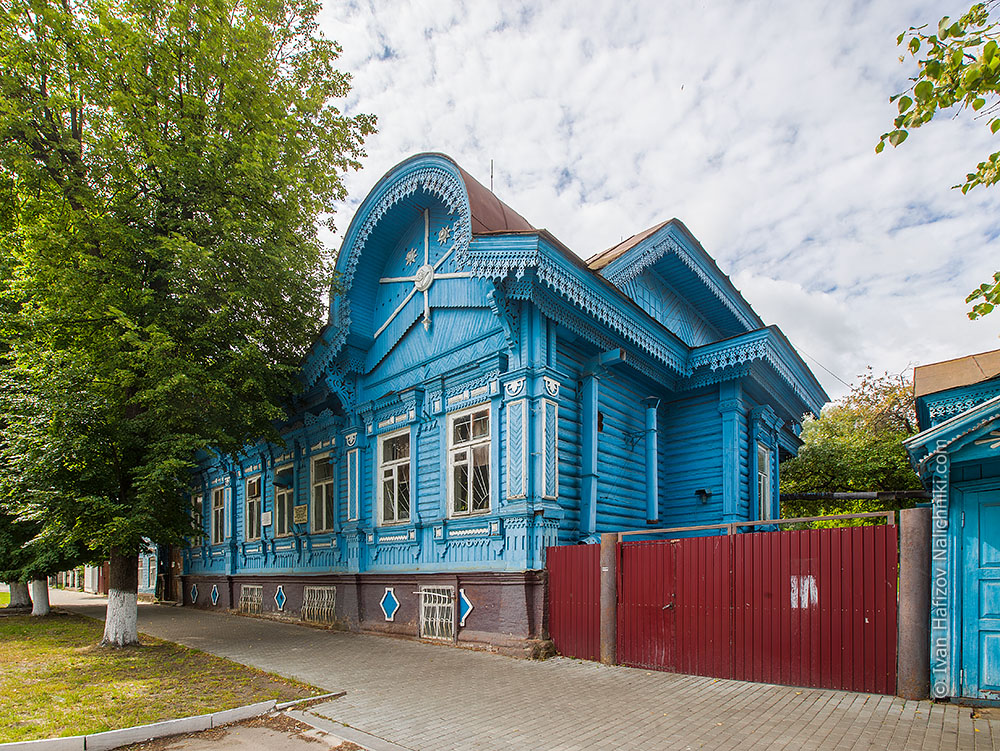
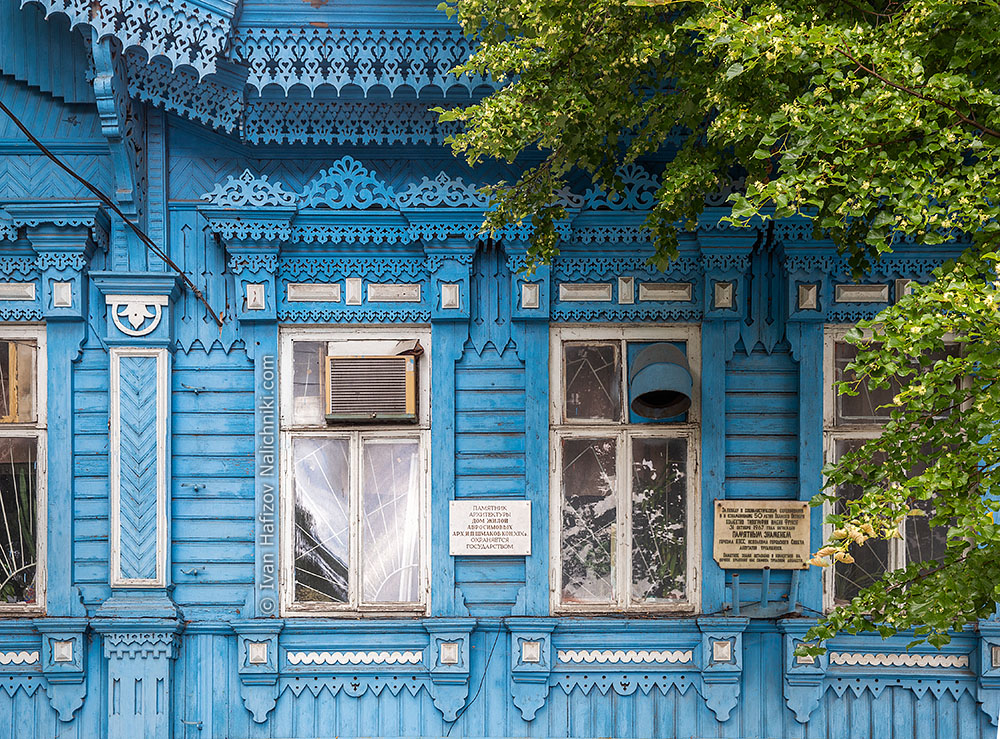
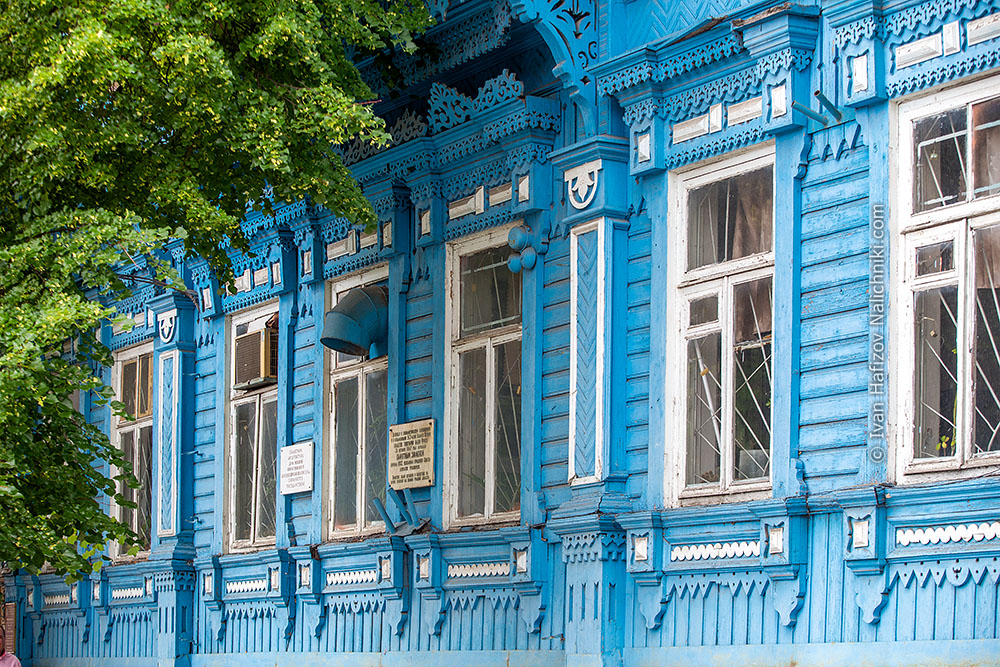
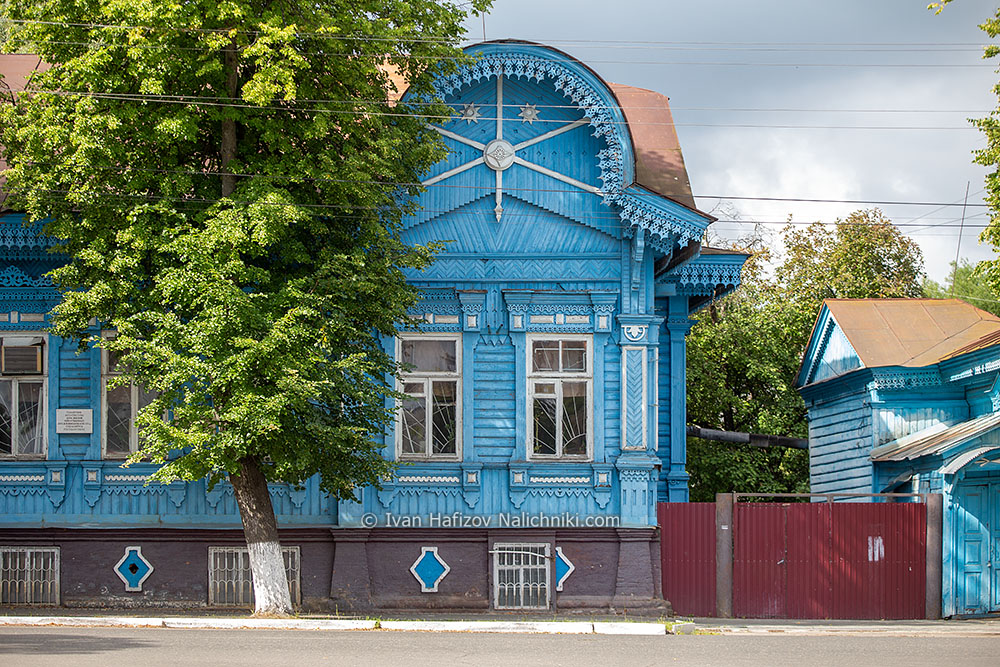
“Oh, the one on the corner, with green nalichniki? And a traffic light nearby?”
“Yes, there’s a traffic light. Right there, by the local print shop. Used to be the Abrosimov family home. They were merchants. Sold pork and lamb, I think… But I’m not sure anymore.”
I nod, though I have no idea who the Abrosimovs were.
“And across from the light—there’s a little church. Didn’t notice it?”
“No… I didn’t.”
“Well, it’s there. A tiny park, barely even a park, and the little church is in it. That’s all that’s left of the one they destroyed. The beautiful, wealthy one stood right behind it, where that square is now.”
She falls quiet, either lost in thought or just done talking. Then she glances at a woman passing by with a small child. The woman nods politely, and I nod back. The boy stops, waves at us cheerfully until his mother tugs him along.
Still gazing into the distance—or maybe inward—she mutters:
“They tore off the gold, ripped down the crosses… And now, the same people are putting them back. Guess that’s how it had to be…”
A pause, as slow and warm as the summer air. Then, shifting her attention back to me, she says:
“I read a lot before I ever even found my way to faith. I was interested. The beauty of it, the architecture, the history… You see, I’m a civil engineer by trade. It fascinated me—wood, stone, how people build, how they work with their hands. And I read something once… A study. A proper scientific one! Said that people who tore down churches, stripped the domes, smashed the crosses—within three generations, their lineage would disappear. There were even genealogies listed, names and all.”
I glance up at her, skeptical. She catches my doubt instantly, her voice gaining conviction.
“I’m telling you, it was a real study! I don’t remember which journal… I used to rely on my memory, but now, at eighty-two, I regret not writing things down. It even listed what illnesses their children had, what their grandchildren died of. By the third generation—infertility, mental illness. The line ended.”
I don’t reply. Maybe I don’t need to. My silence must be louder than words, because she shifts her weight, folds her arms across her chest, and, in a drier, more didactic tone, presses on:
“I once had a lodger. An old woman. She died not so long ago… Well, ‘not so long’ — actually, it’s been quite a while. But she was from Rogovo—that’s a village not far from here. And there used to be a big church there. Her grandfather built it.
‘The revolution came,’ she’d say, ‘and a work crew arrived to tear down the cross. Ten men, strong young men, and they stayed the night at our house. In the morning, the foreman got up and said, “We’re not doing it. We’re going home.”’
‘What?!’ the others asked. ‘Why?’
‘Because last night, the Mother of God came to me in a dream. She said if we do this, we’ll all die. And I felt it—a black shroud covering me.’
So they left. A different crew came later and finished the job. But not that first one. They refused.”
I’m about to ask something, but she’s already moving on.
“The way they built that church—now that’s something. A real story. This is fact, you know—she herself witnessed it and told me every detail from memory. Rogovo was growing back then, and they had only a tiny church. But he was wealthy, had his own mill, and decided—he was the churchwarden, you see—that they needed a bigger one.
They secured funding, but only for a small building. So he put in his own money, too. And of course, someone got jealous, started rumors. He was accused of embezzling church funds. Dragged through the courts. But he proved that not only had he not stolen a kopeck, he’d spent his own fortune. They let him go.
But before laying the foundation, they gathered in the little old church to pray. ‘Let’s wait for a sign,’ the priest said. ‘Let’s see where we should build.’
And they did. And three widows—three different women—each had the same dream. They saw that very spot, filled with candlesticks and burning candles. One came to tell the priest. He listened, told her to keep quiet for now. Then another came, same story. Then a third.
So that’s where they built it.”
I could listen to her raspy voice forever, but suddenly, as if making up her mind, she straightens, grips the window shutters, and stops.
Frowning slightly—though not unkindly, more like a storyteller wrapping up a legend—she says,
“Such wondrous things happen in this world…”
She retreats back into the room, reaching for the shutter to close the window.
“All right, all right. I’ll stop distracting you.”


