

"... in general, our great-grandfathers had high ideas about art and beauty. Indeed, all the treasures of art that we possess today are just everyday objects from three or four centuries ago. I really don't know if all these antique bowls, cups, and candlesticks, which we now cherish so much, really have a special charm, or if they have acquired such value in our eyes thanks to the aura of antiquity.
...
Take, for example, the porcelain dog that decorates my bedroom in the furnished rooms. It's a white dog. Her eyes are blue. Her nose is red with black specks. Her neck is stretched out in agony, and on her face is written good-naturedness bordering on idiocy. I can't say that this dog delighted me. Frankly speaking, if you look at it as a work of art, it even annoys me.
...
But it is more than likely that two hundred years later, during some excavations, this very dog will be extracted from the ground, having lost its legs and with a broken tail. And it will be placed in a museum as an example of antique porcelain, and it will be put under glass. And the experts will crowd around her and admire her. They will admire the warm coloring of her nose and will hypothesize how perfect in shape the lost ponytail should have been.
We don't notice the charm of this dog right now. We looked at her too closely. She is like a sunset or a starry sky for us. Their beauty does not amaze us, as our eyesight has become accustomed to it. It's the same with the beauty of a porcelain dog. In 2288, she will make a splash. Making such dogs will be considered an art whose secret is lost. Posterity will struggle to uncover this secret and admire our skill. We will be reverently called the Genius Sculptors of the Nineteenth Century and the Great Creators of Porcelain Dogs."
Jerome K. Jerome "Three men in a boat, not counting the dog." 1889.
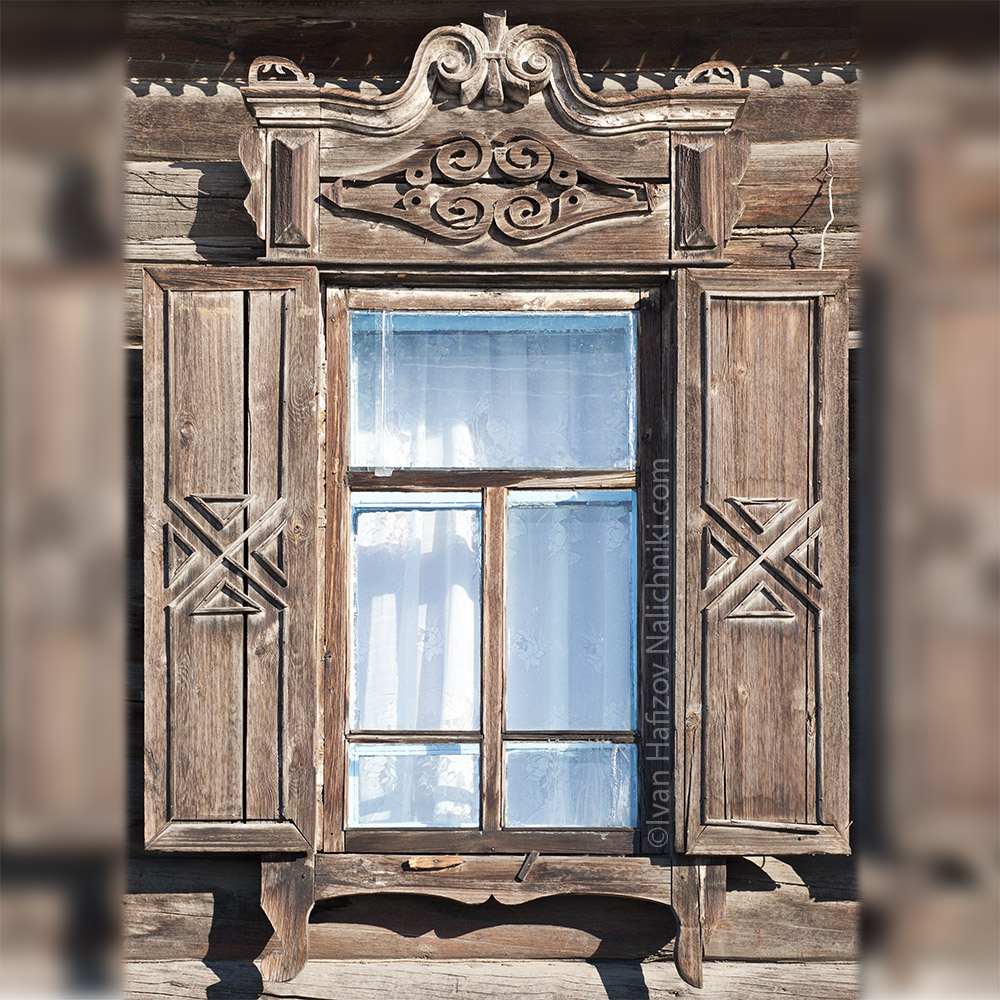
And the nalichniki are from Kineshma.


29 comments
Учат ли этому сейчас где то?