
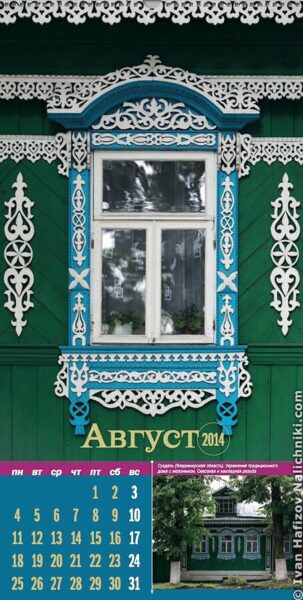
 "...Back in the forties we lived in Suzdal. I remember very well how different it was from what it is now. The city was in ruins. There was almost no asphalt anywhere.
After the war, German prisoners lived in the monastery. They went from house to house, knocking on windows. I remember their hoarse voices well — they kept saying: "Mother, bread." We had no bread ourselves, so we gave them beetroot.
I was very young. I only once saw them sitting in a ravine cooking their food. The other children and I sat on the edge and watched. I can still picture it perfectly. They were all thin, very tall, and all in those worn-out uniforms that looked like something that had seen better days. I looked at them and thought: how handsome they all are...
Later, when under Gorbachev many of these men came back to see what Suzdal had become — they seemed drawn to the place — it turned out they weren't German at all, but Italian, and most of them from noble families. Mussolini had conscripted students, and every one of those young men cooking in that ravine had turned out to be an aristocrat, from the highest circles of Italian society.
There was a strange story from that time, when the authorities paved over a cemetery before the group of distinguished Italians arrived. The Italians, on learning of it, were bewildered — because none of the prisoners were buried there, of course. They had simply been thrown into one of the ravines..."
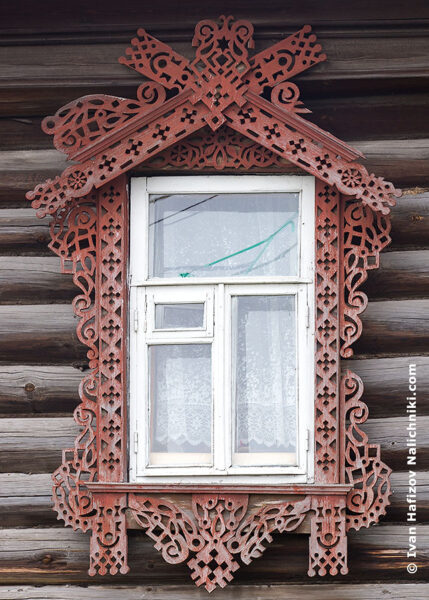
#nalichniki #Suzdal #ourhistory #wooden_architecture



5 comments
Добавил к себе в коллекцию: https://ru.pinterest.com/nalichniki/printed-about-doors-or-windows/