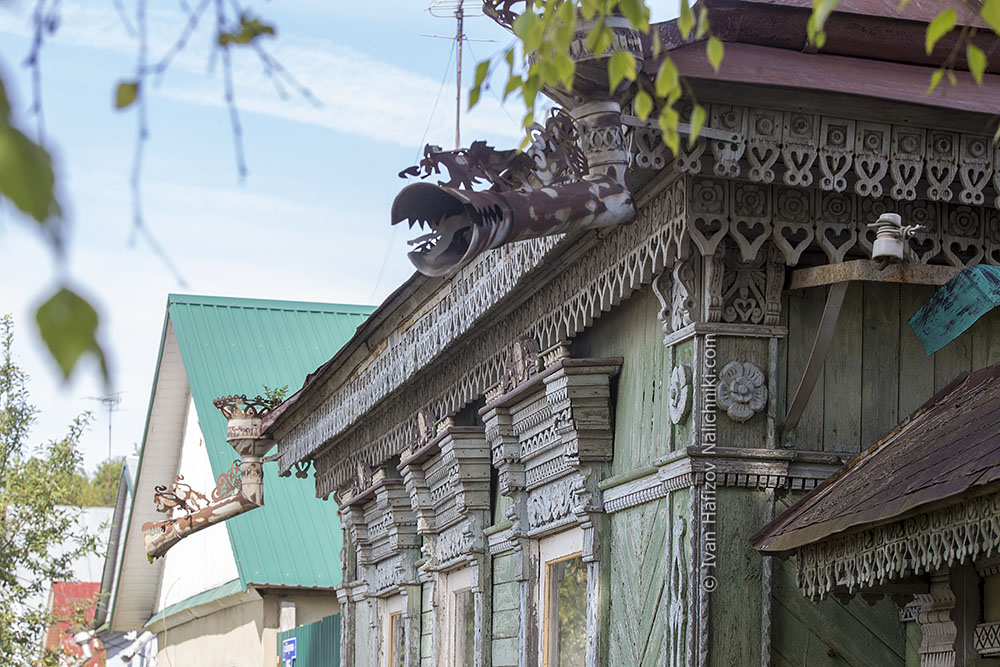
...— And what was the carver's name?
— Uncle Styopa. Stepan Vybu, they called him...
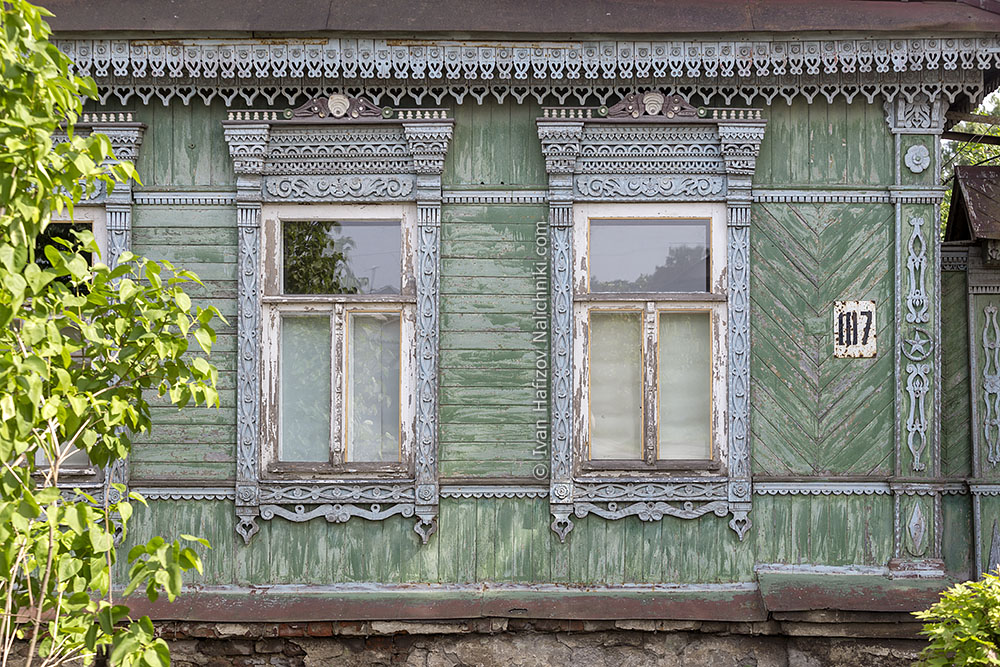
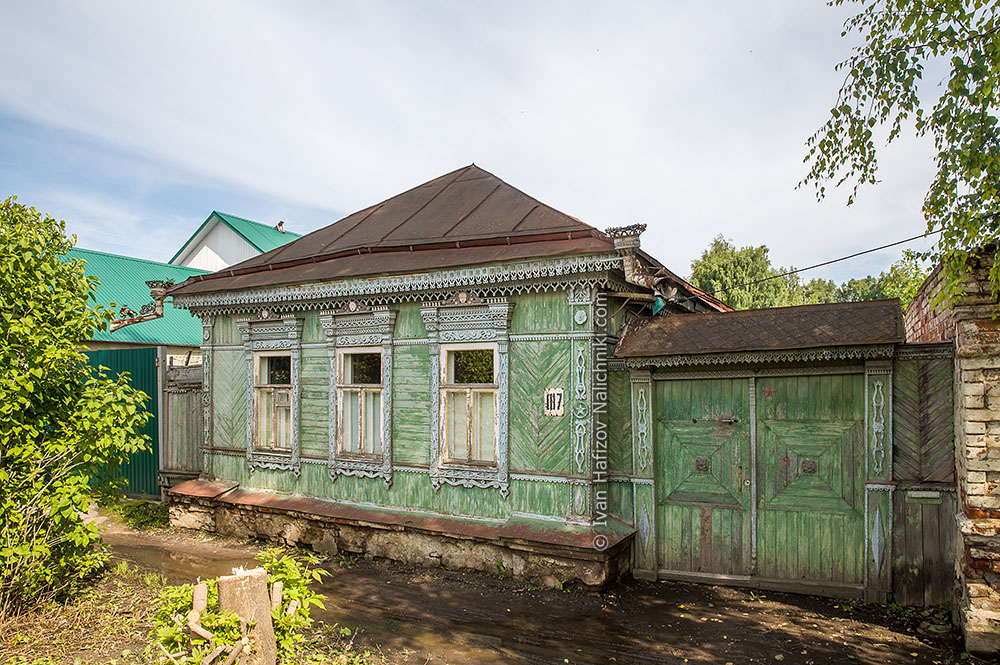
A rare case: the surly man who leaned aggressively out of the gate, clearly intending to sort out this uninvited guest, turned out to be talkative. He said he didn't know the history of this house, but remembered the carver who had decorated the houses here in Soviet times.
— Vybu? Is that a surname?
— No... That was more of a nickname. The neighbor's daughter wanted to write a school report about grandfather Stepan, went looking for his surname. But no one could remember it. He had no family left: his brother was killed at the front, he never married. Nobody remembered the name. He had a fondness for this... — the owner makes a characteristic flick, the back of his hand to his neck, but then clarifies: — Well, the drinking side of things. Yeah. He was a real character, they said — eccentric: he'd show up carrying two shot glasses, set a quarter-liter on the table, and, you know, offer: ‘Will you have a drink?’ And if you said no — (well, you know, he might come by first thing in the morning) — if you refused, he'd simply drink by himself. Pour himself one and — down it went!
Here he pauses, showing how the carver with the forgotten surname used to knock one back.
— But! — my companion adds suddenly, grinning, as if catching himself — after every little shot he’d invite the hosts to join him again...
— And why didn’t anyone throw him out? — I can’t work it out.
— No... Well, he was an old man, what are you going to do? And... er... you didn’t grow up in the countryside... This was Uncle Stepan — everyone knew him! He was a carver, after all, and if anything needed fixing... Besides, he never caused any real trouble...
— But listen, don’t interrupt me or I’ll lose the thread: after every shot he’d go back to his offer: ‘Will you have a drink?’ Until he couldn’t put two words together. He’d drink himself so far under he could only manage ‘Vy... bu...’ — the opening syllables of his offer in Russian. So Vybu he became. And nobody knows his real surname.
He falls quiet. I notice that during the story his fingers had found a half-unscrewed self-tapping screw on the gate handle, and now, gripping it, he is trying to tighten it back without a screwdriver.
— When did he die? — I come back mentally to the story of the carver.
— Long ago... — he answers in a single word, putting his strength into turning the rusted screw into wood darkened by moisture. — Back in the eighties.
— Surely his surname must be in the city archives?
— Ha! ‘Must have been’ is what you mean. The archive burned down. Burned in the nineties.
— But something must have survived? — I won’t let it go.
The man collects his thoughts, is quiet for a moment, straightens up, gives a dissatisfied rattle to the not-quite-tightened gate handle, then finally raises his eyes and answers quietly:
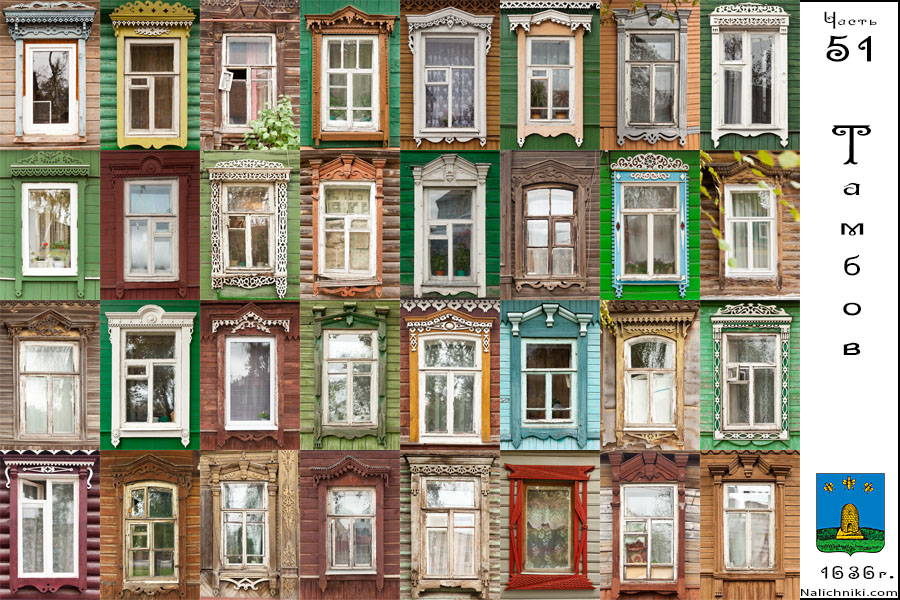
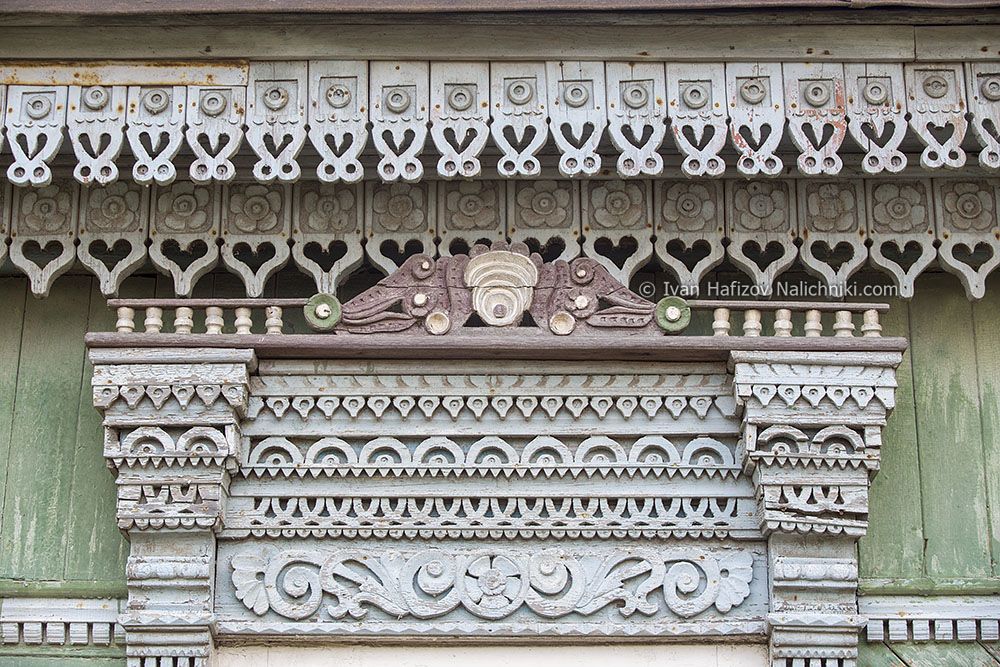
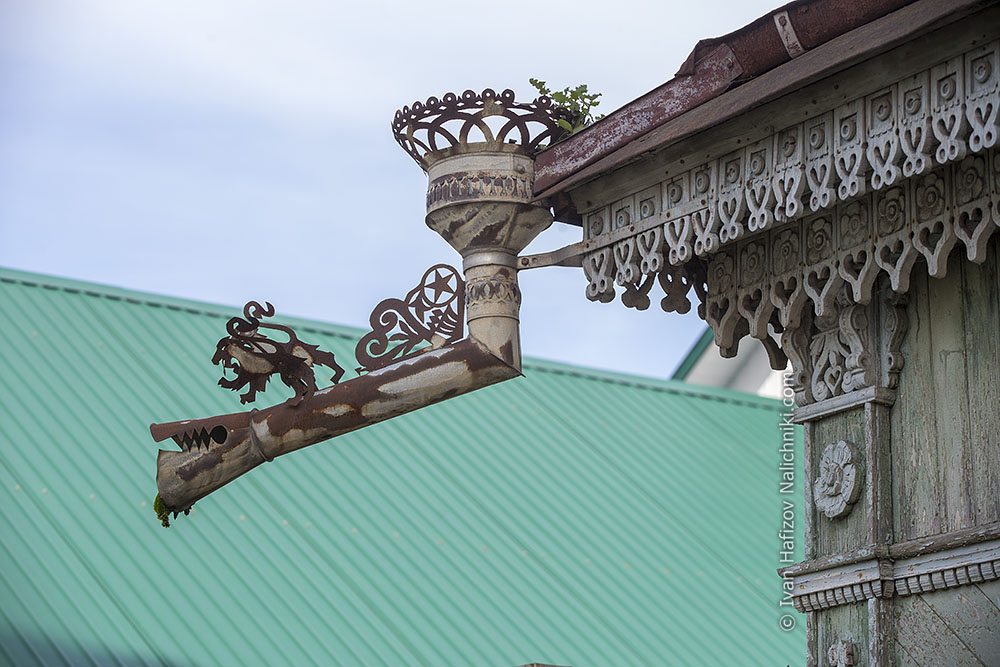
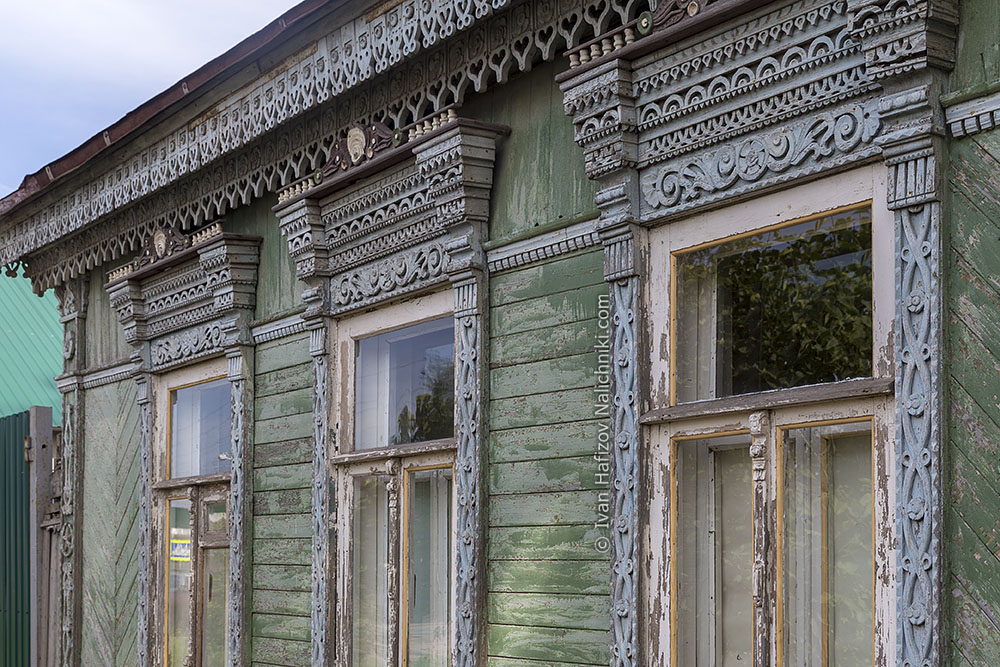
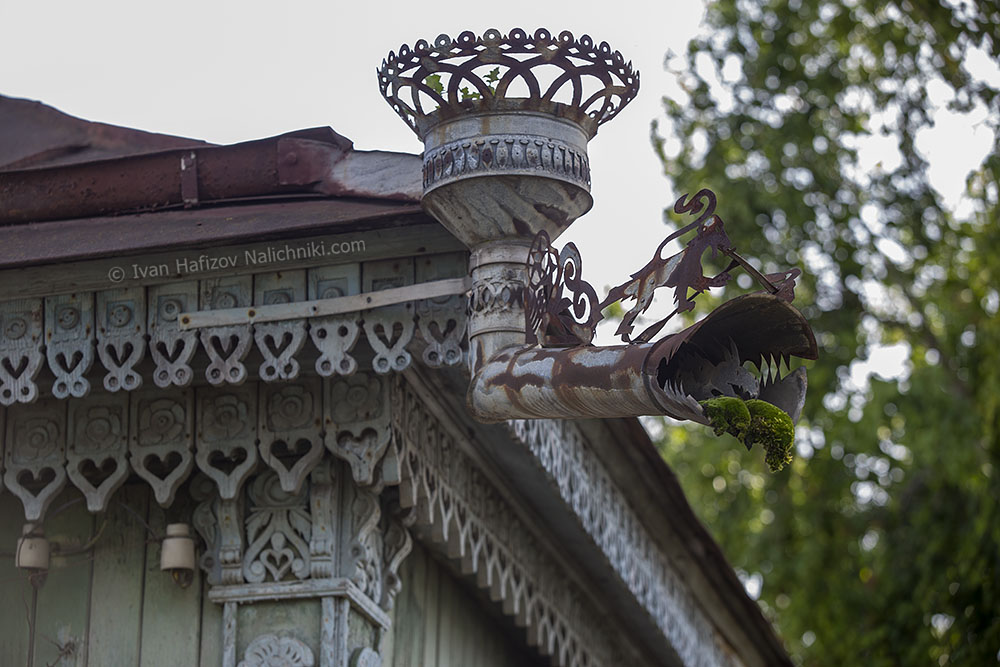
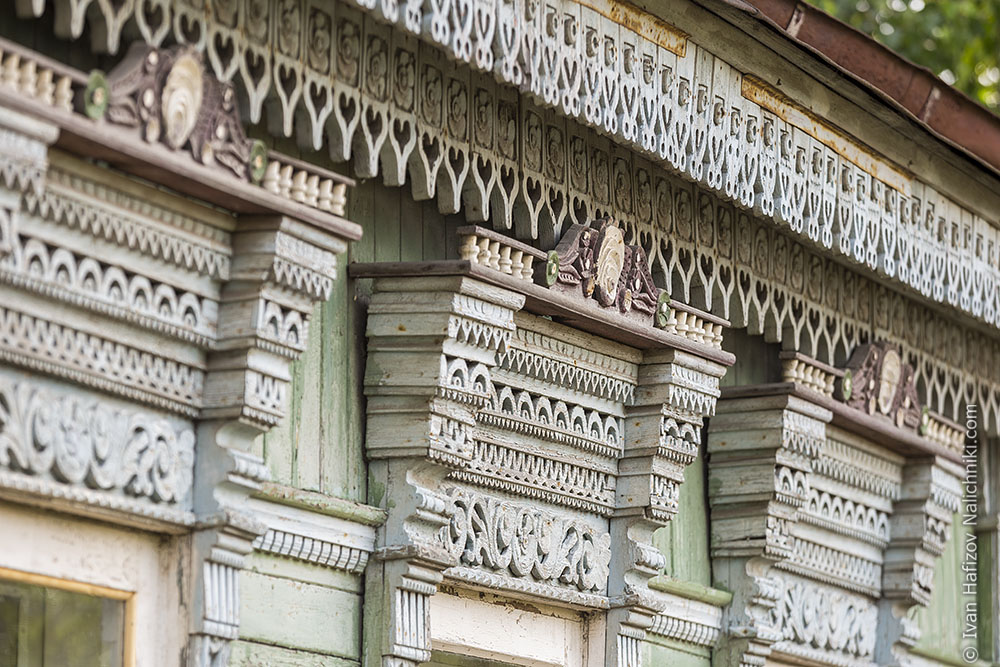
— Something did survive... Well, however many nalichniki are left around the town. But what will be left of any of us?
I shrug, not knowing what to say.
— Well, there you go. — he finishes and closes the gate.