
 Why are wooden city houses up to the middle of the 19th century so similar to stone ones? Remember the Ostankino estate in Moscow — it's all wooden, but it doesn't give it away in any way. Or another example is Kuskovo Manor, which is also wooden and you wouldn't suspect it either. And in other cities (Vologda is especially characteristic in this sense) there are houses, plastered or simply covered with boards in the manner of stone ones.
Or maybe, on the contrary, the stone architecture of that time is similar to the characteristic wooden buildings? What influences what? We'll figure it out together.
First of all, it is worth admitting that the answers to these questions are not a mystery. Moreover, any architecture student would be amazed that people like us — trained in other fields — don't already know this.
The fact is that until 1858, there was a legislative requirement for urban buildings: "that private buildings be erected without any deviations from the Most Highly approved facades."
The first albums of these typical facades were used back in the Peter the Great era and by the beginning of the 19th century their use had reached its peak. They were designed by the capital's architects and relied mainly on the traditions of classicism. In particular, almost all facades approved at that time have an odd number of windows (3, 5 or more), and those with columns have an even number of columns.
At the same time, of course, the developer could offer his own version of the facade, but the authorities were very reluctant to coordinate such projects.
Interestingly, although the meaning of the model facades was restrictive (so that cities "looked normal and neat"), they were also used after their official cancellation, mainly because the projects in these albums were well developed, and experienced architects capable of producing a design that could rival the standard ones were few and far between in the provinces.
...
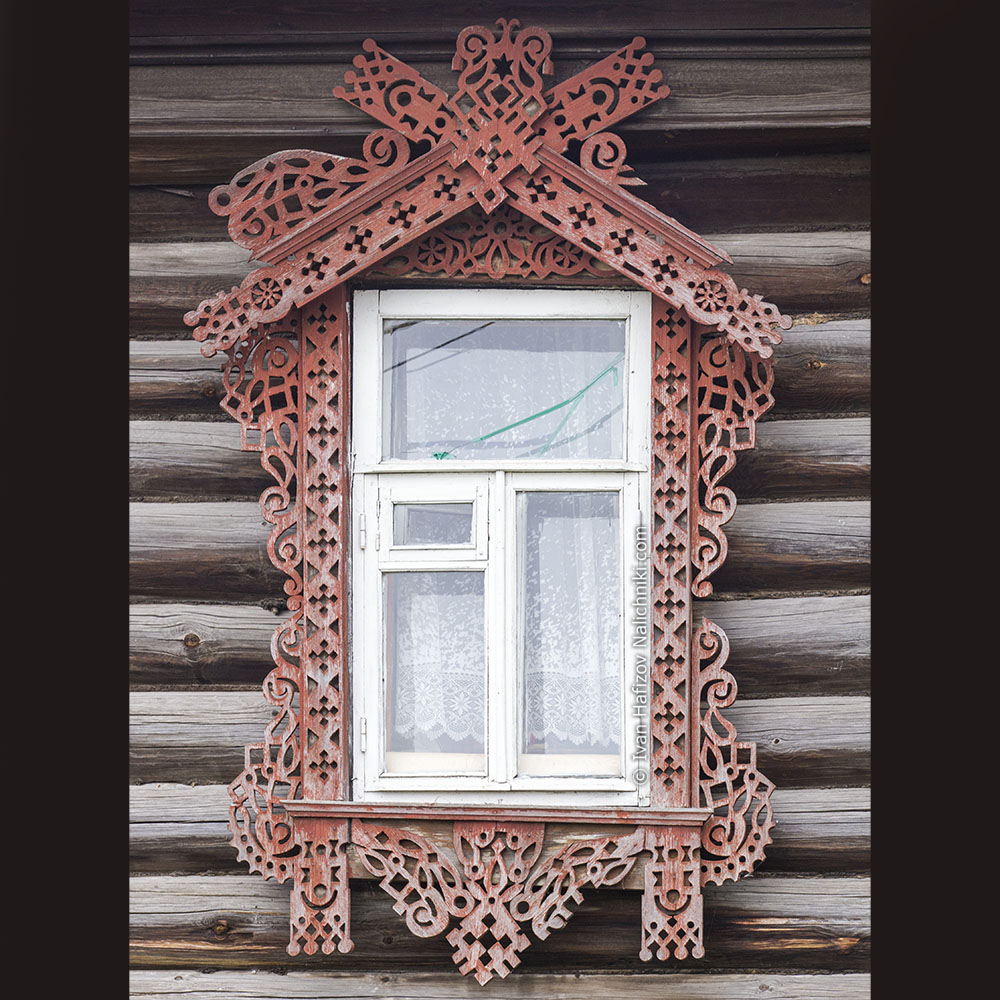
Of course, no one has ever restricted the construction of wooden houses in villages by any laws. However, it was then, under the influence of urban architecture, that the popular phenomenon known as the "three-window house" took hold.
#nalichniki #wooden_architecture #Irkutsk #architecture


3 comments