

Did you know that wooden architecture — in the traditional Russian sense — cannot exist?
Outraged? Let me explain.
I was always puzzled by the fact that the Russian word zodchiy (the elevated term for architect) is rendered in English simply as "architect." How can that be? Zodchestvo to me has always meant something more — virtuoso mastery, a calling, not just a profession.
So I started looking into it, and found something completely unexpected.
It turns out that zodchiy comes from the ancient Russian word zd(ch)ii — meaning a potter, builder, or mason. This is explained by the fact that the word zd was used for clay or a brick wall.
And originally, the word carried no particular implication of exceptional talent: any builder was called a zodchiy, just as "architect" comes from the Greek arkhitekton — master builder. (A dictionary of Church Slavonic and Russian does list the term zodcheskoe iskusstvo — "architectural art" — so the elevated sense did develop over time.)
So there's nothing puzzling about the English translation after all. "Architect" just doesn't carry the modern artistic connotation we've attached to zodchiy.
And here's the catch: zodchestvo, in its original meaning, derives from clay and brick. So "wooden zodchestvo" would be something like "wooden brickwork" — a logical impossibility.
PS Despite this, wooden zodchestvo exists and thrives. And you can help preserve it through the "Guide to the Russian Nalichnik" — there's still time, until September 18!
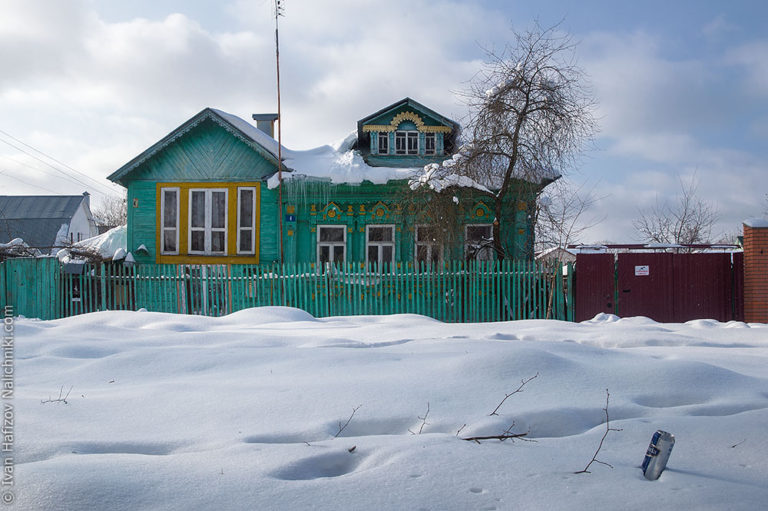
PS2 The nalichniki in the photo are from Yegoryevsk, Moscow Oblast.


15 comments
Да и не принимайте англицкий за эталон...
А гугл-транслейт хмм не рекомендовала бы в тонких вопросах ;)
classes.ru›Русский язык›…-dictionary-Dal-term…
Русско-английский политический словарь перевод созидать на английский язык в словаре ... выделывать, делать, строить; создавать, творить. Ant. разрушать, уничтожать. что такое “созидать” в словаре Д.Н. Ушаков Большой толковый словарь современного русского языка.
Ответы@Mail.Ru: "Творить" и "Созидать" - синонимы? =)))
otvet.mail.ru›question/25270480
Синонимичные понятия, с оттенками: творить - сздавать усилием творческой мысли, как бы из ничего, либо прямо-таки из ничего; созидать - создавать из имеющихся эементов, заготовок, частей.
«Творим на английском» – творческий подход к обучению детей...
teleschool.ru›uvlecheniya-i-sekcii…na-anglijskom
Одна из них – курс под названием «Творим на английском» (Create in English). ... Посредством пластилина, красок и других материалов ребёнок творит, а преподаватель раскрывает его творческий потенциал.
Креативность vs творчество
b17.ru›Статьи›…-vs-tvorchestvo
То есть одно и тоже английское слово creativity несет несколько разные смысловые оттенки в русском переводе. Хотя если посмотреть значение основания слова creativity — to create — оно переводится как созидать, создавать, творить, создавать, порождать.